
Stamina, sliding, swimming
The coloured ring is stamina and it only bites when you climb. Flat ice, waddling and swimming do not burn it; long steep slopes do, and the ring refills once you are back on level ground or in the water.
The coloured ring in the corner of the screen is the only readout Penguin Colony gives you, and understanding it well enough to stop thinking about it is most of what the demo asks you to learn.
The ring is stamina
Players on the Steam forum worked this out before any menu explained it: the ring shows stamina, and it only comes into effect when climbing steep hills. Different penguins have different ring colours, which is how you know it is per-body rather than a global meter.
That single fact reorganises how you move. Flat ice, snow and open water are effectively free. Steep ground is the only thing that costs you.
What drains and what does not
| Move | Drains the ring | When to use it |
|---|---|---|
| Waddle | No | Precision, short distances, cramped ground |
| Slide | No | Any downhill run with room to build speed |
| Swim | No | When water is the shorter or safer line |
| Climb steep ice | Yes | Only when there is no diagonal option |
| Climb gentle snow | Barely | Everyday terrain, no special handling |
Sliding is the underrated verb
Slide costs nothing and moves you faster than anything else in the game on a downhill surface. It is also the move that most matches what a penguin should feel like, which is presumably why the demo's opening teaches it without a prompt. Chain slopes together and you can cross a lot of ground on an empty ring.
Planning a climb you can finish
Start a climb with a full ring, take the diagonal rather than the direct line, and decide your stopping point before you commit. If the ring is around half and you have not gained a shelf to stand on, turn around. Refilling is easy: back down to flat ground, or into the water.
Why players found this hard
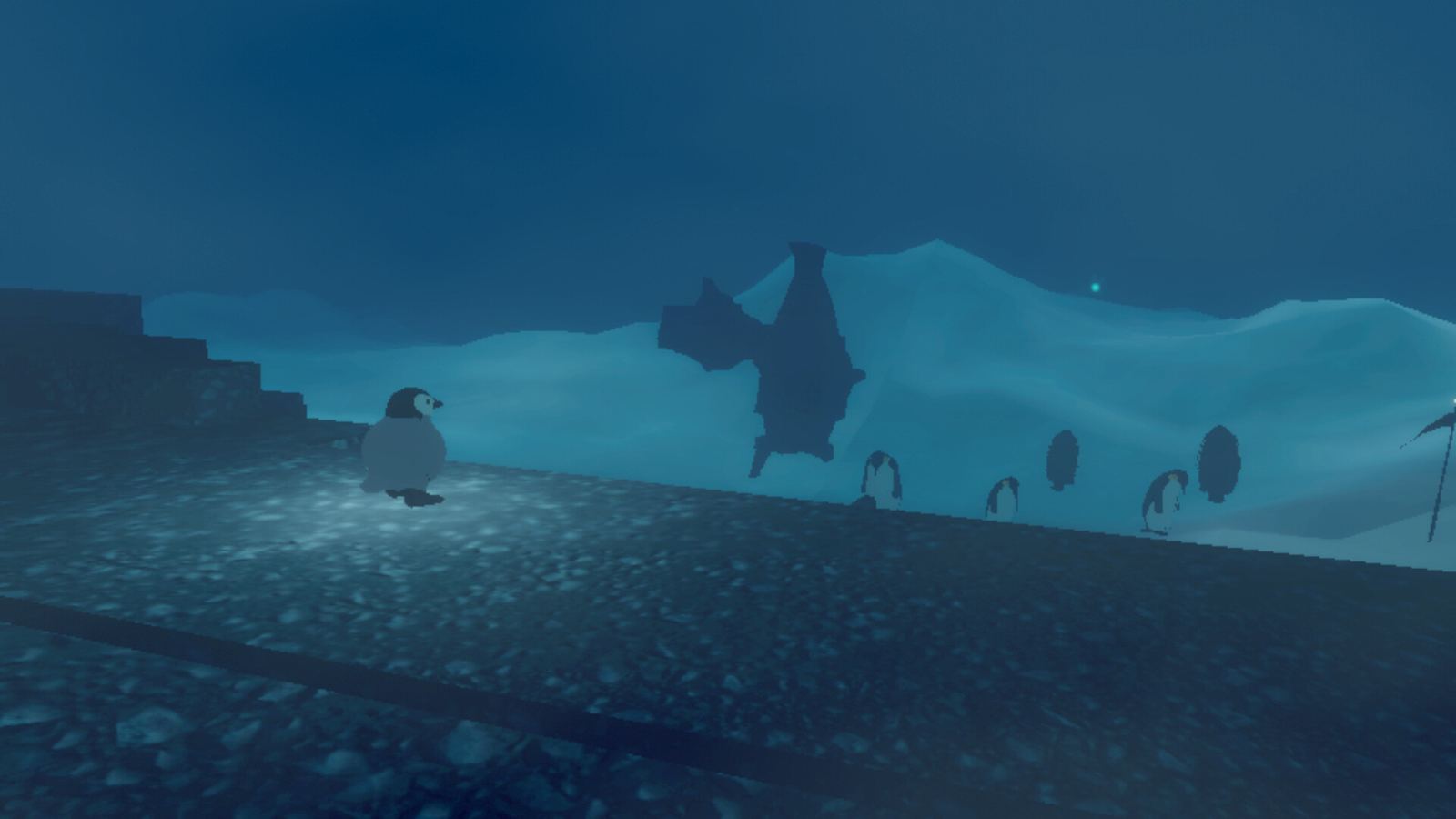
The demo's most common complaint is aimlessness, and the ring is part of the reason. Nothing on screen tells you which slopes are intended routes and which are just scenery, so early on every steep face looks equally worth attempting. The habit that fixes this is to treat the ring as a budget: a third for getting there, a third for the thing you came to see, a third for getting back.
Movement in tight spaces
Interior routes, gaps and fence lines change the rules. Waddle for control, shrink to a smaller penguin when a gap refuses you, and remember that sliding into a wall costs you the momentum you built. Players have found that the smallest body in the colony is the one that gets through the tightest fences, which makes swapping a movement technique as much as a cosmetic choice.
For the surfaces themselves, see climbing and terrain; for how penguins differ, see penguin species and abilities.